
Aussie Masculinity: What It Means to Be a Man in Modern Australia
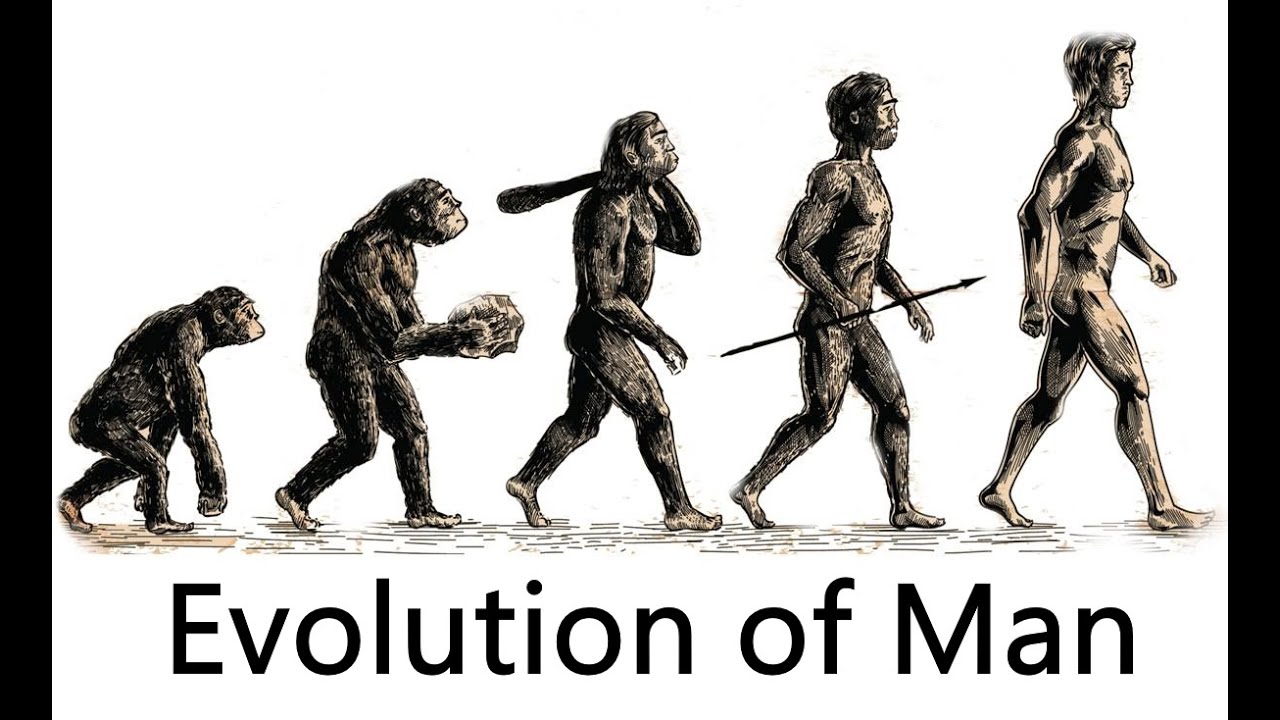
For generations, Australian masculinity has been shaped by a familiar image: the tough bloke who works hard, keeps his emotions to himself, solves his own problems, and gets on with life regardless of what challenges come his way. The “she’ll be right” attitude has become woven into the fabric of Australian culture, celebrated through sport, mateship, resilience, and independence.
While many of these qualities remain strengths, the expectations placed on men are changing. Today’s Aussie men are navigating a very different social landscape from the one their fathers and grandfathers experienced. Traditional definitions of masculinity are being questioned, relationships are evolving, and emotional intelligence (EQ) is increasingly valued alongside strength and resilience.
For some men, these changes feel liberating. For others, they can feel confusing, confronting, or even threatening. The challenge for modern Australian men is not to abandon masculinity but to redefine it in a way that is healthy, authentic, and sustainable.
What the new masculinity looks like
Modern masculinity is not about becoming less masculine, or being more feminine. It is about becoming more complete.
A strong man can still be courageous, resilient, ambitious, and protective. However, he can also be emotionally honest, reflective, compassionate, and willing to seek support when needed.
The modern Australian man understands that:
- Strength includes asking for help
- Courage includes vulnerability
- Leadership includes listening
- Confidence includes humility
- Resilience includes self-care
These qualities are not signs of weakness; they are signs of maturity.
Adapting to the new normal
1. Learn the language of emotions
Many men can identify anger, frustration, or stress but struggle to recognise deeper emotions such as disappointment, grief, shame, fear, or loneliness.
Developing emotional literacy helps men better understand themselves and communicate more effectively with others.
2. Redefine strength
Strength is no longer measured solely by physical toughness or independence. True strength includes self-awareness, accountability, and the ability to remain present during difficult conversations and challenging life events. It takes an stronger person to ask for help.
3. Build meaningful connections
Research consistently shows that social connection is one of the strongest protective factors for mental health. Men benefit from having trusted mates, mentors, partners, or support networks where genuine conversations can occur.
4. Challenge outdated beliefs
Many men carry beliefs that no longer serve them. Questions worth asking include:
- Do I believe asking for help is weakness?
- Am I avoiding difficult emotions?
- Do I define my worth solely through work or achievement?
- Am I living according to my values or someone else’s expectations?
Self-reflection allows growth without sacrificing identity.
5. Prioritise mental health
Australian men continue to experience significant rates of depression, anxiety, substance misuse, and suicide. Seeking support through counselling, coaching, peer groups, or trusted professionals should be viewed as an act of responsibility rather than weakness.
6. Become comfortable with vulnerability
Vulnerability creates deeper relationships, stronger families, and healthier communities. It allows men to be authentic rather than constantly maintaining a mask of strength.
The future of Australian masculinity
The future of masculinity in Australia is unlikely to be defined by rigid stereotypes. Instead, it will be shaped by men who can balance strength with compassion, resilience with vulnerability, and independence with connection.
The Australian spirit of mateship, courage, and perseverance remains valuable. What is changing is the recognition that men can also be emotionally aware, relationally skilled, and psychologically healthy without losing their sense of manhood.
The new normal is not about men becoming someone different. It is about giving men permission to become more fully themselves.
As Australian culture continues to evolve, the men who thrive will be those who are willing to adapt, learn, and grow—while remaining grounded in the values that matter most to them. In doing so, they create a healthier future not only for themselves, but also for their partners, children, families, and communities.