
Signs your relationship might be heading in the wrong direction
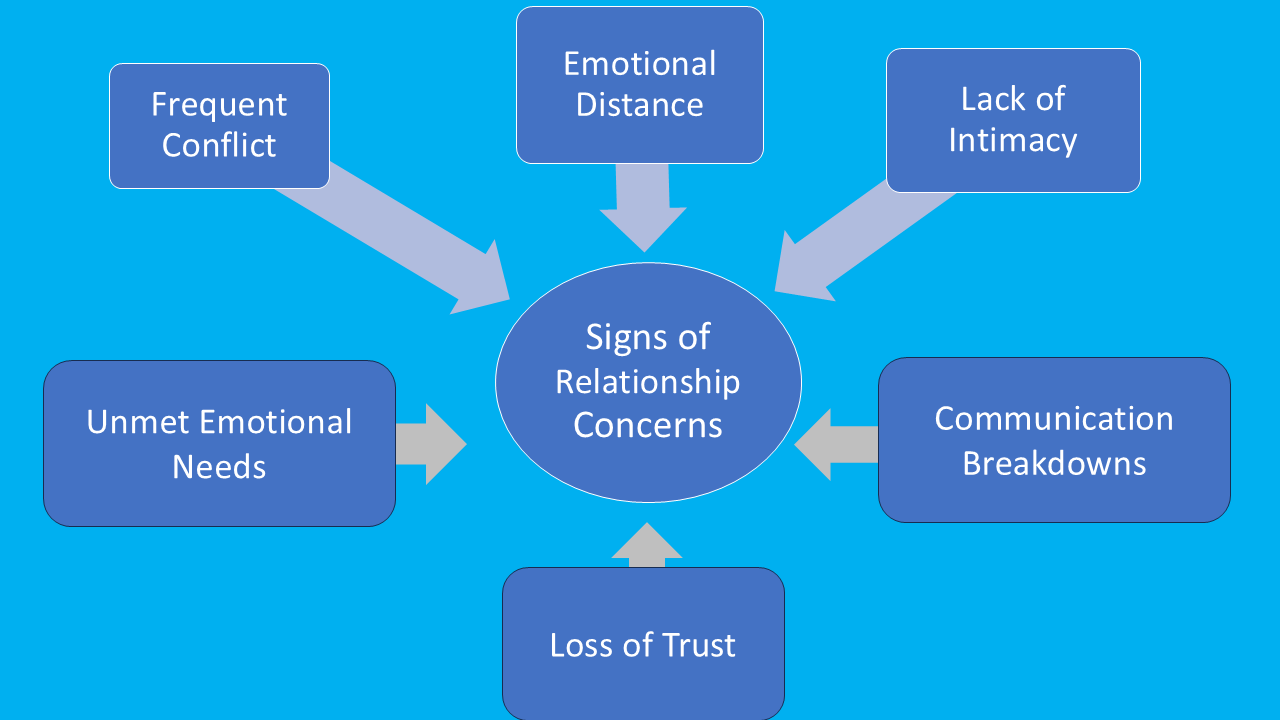
Most marriages don’t end because of one dramatic event. More often, relationships slowly shift through small patterns of disconnection that are easy to dismiss at first. Relationship researchers and therapists consistently point to subtle emotional changes that usually appear long before couples seriously discuss separation or divorce.
One of the most overlooked signs is emotional withdrawal or disconnection. Couples may stop arguing altogether, which can appear peaceful on the surface, but often reflects resignation or giving up, rather than resolution. When people no longer believe they will be heard or understood, they stop raising concerns entirely. Silence replaces engagement, which is the beginning of the end in a lot of cases.
Another subtle indicator is when conversations become purely functional. Discussions revolve around bills, children, work schedules, or household tasks, while deeper emotional conversations slowly reduce until they disappear altogether. Partners can begin to feel more like co-managers or housemates of a household than an intimate couple.
Contempt is considered one of the strongest predictors of relationship breakdown. This can appear through eye-rolling, sarcasm, mockery, dismissive comments, or speaking to a partner with superiority rather than respect, or like a parent to a child. Psychologist John Gottman famously described contempt as one of the “Four Horsemen” linked to divorce.
Small irritations can also become amplified. Habits that were once tolerated — chewing loudly, lateness, messiness, or certain personality quirks — suddenly trigger disproportionate frustration. Often this reflects deeper unresolved resentment rather than the behaviour or habit itself.
Many struggling couples also begin living parallel lives. They spend less intentional time together, avoid shared activities, when it’s only the two of them, or with children, or feel more relaxed when apart than when together. This causes an erosion of emotional intimacy and connection, causing barriers and walls to grow. Emotional needs may gradually start being met through friends, work, hobbies, or online connections instead of within the marriage.
Communication patterns often shift subtly before major problems become obvious. One partner may stop trying to repair conflict, while the other becomes defensive or emotionally shut down. Healthy couples usually attempt reconnection after disagreements through humour, affection, or compromise. When repair attempts disappear, it doesn’t mean the issues has been resolved, it tends to mean emotional distance has deepened.
Technology has also become a modern relationship stressor. Therapists increasingly identify “phubbing” — ignoring a partner in favour of a phone — as a sign of emotional disengagement. Sitting on the lounge, in the car, or in bed, scrolling on their phone is an indicator their intimate relationship is taking a bad seat to social media. Reduced eye contact and distracted listening can quietly erode intimacy over time.
Importantly, experts note that these signs do not automatically mean a marriage is over. They are warning signals rather than guarantees. Many couples successfully rebuild connection through the support of a counsellor, honest communication, emotional accountability, and renewed attention to each other’s needs, including their own. Often the critical difference is whether both people are still willing to engage and repair the relationship before emotional detachment becomes permanent.