
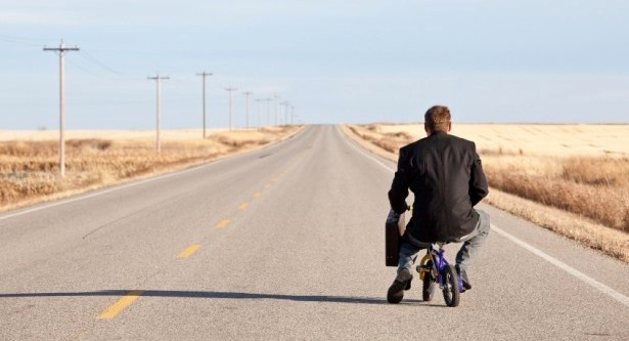
Ill Equipped
What Jane Fonda’s Honesty at 88 Can Teach Women About Love, Relationships, and Life – Sunday Telegraph, Body & Soul article 21.6.2026.
When I read the recent Body & Soul article featuring Jane Fonda at 88, I was struck not by her age, her accomplishments, or even her enduring influence, but by her honesty.
In a world that often celebrates perfection, Jane continues to do something far more valuable: she is herself and tells her truth.
Reflecting on her relationships, she shared:
“I didn’t know what a long-term relationship looked like; I didn’t have the skills for it. I believe this is part of the problem.”
What a powerful statement.
Many women spend years believing that relationships should come naturally. We assume that because we desire connection, we automatically know how to create and maintain it. Yet the reality is that healthy relationships are learned.
If we grow up in families where communication is poor, affection is inconsistent, boundaries are absent, or conflict is destructive, we don’t magically acquire relationship skills when we become adults. Instead, we often spend years trying to navigate intimacy with little understanding of what healthy connection actually looks like.
Jane’s words remind us that relationship success isn’t simply about finding the right person. It’s also about developing the skills needed to sustain a relationship once we find them.
Her second insight may be even more important.
“Most of us are not taught when we are young, what to look for in a partner. We tend to go for the surface, for what looks good. Sexy, strong. We don’t ask ‘is he kind?’ nobody even tells us that, at least nobody ever told me that – to look for kindness, so I didn’t. I didn’t know to do that.”
How many of us can relate to that?
For generations, women were encouraged to look for attractiveness, success, confidence, status, financial security, or chemistry. We were sold the idea that butterflies, excitement, and passion were the hallmarks of a great relationship.
Yet many women eventually discover that qualities such as kindness, emotional maturity, respect, empathy, accountability, and consistency matter far more over the long term.
Kindness may not create fireworks on a first date, but it becomes invaluable during life’s inevitable challenges.
Kindness is what remains when illness strikes.
Kindness is what shows up during grief.
Kindness is what helps couples navigate conflict without destroying each other.
Kindness is what creates emotional safety.
Think about that old saying – nice guys finish last, maybe we need to reconsider that.
As a couple’s therapist of over 21 years, I often see people struggling not because they chose someone who wasn’t attractive, successful, or exciting, but because they overlooked qualities that truly sustain relationships.
Many of us were never taught to ask questions such as:
How does this person handle disappointment?
Can they apologise when they’re wrong?
Are they emotionally available?
Do they show compassion toward others?
Do I feel safe being myself around them?
Are they kind when nobody is watching?
These are the questions that often matter most.
What I appreciate most about Jane Fonda’s reflections is that she speaks without shame. There is no attempt to rewrite history or pretend she always had life figured out. Instead, she offers something much more valuable: perspective.
There is enormous freedom in recognising that we did the best we could with the knowledge we had at the time.
Many women carry regret about relationships that failed, partners they chose, or years they believe they wasted. Jane’s reflections offer a gentler approach. Rather than judging ourselves for what we didn’t know, perhaps we can acknowledge that nobody taught us.
The good news is that growth doesn’t have an expiry date.
At 88, Jane Fonda is still learning, reflecting, and sharing her insights with others. Her willingness to be vulnerable reminds us that wisdom is not about never making mistakes. Wisdom comes from examining our experiences honestly and using them to grow.
Perhaps that’s the greatest lesson of all.
Whether you’re 28, 48, 68, or 88, it’s never too late to learn what healthy love looks like. And that includes love of self. I teach the world how to treat me by the way I treat myself.
It’s never too late to choose kindness.
And it’s never too late to become the person you needed to be when you were younger. Regardless of what our parents’ role modelled to us, all relationships, romantic or plutonic are different. While there are similarities, there are differences, big, small and in between.