
Did COVID Change the Rules of Relationships?
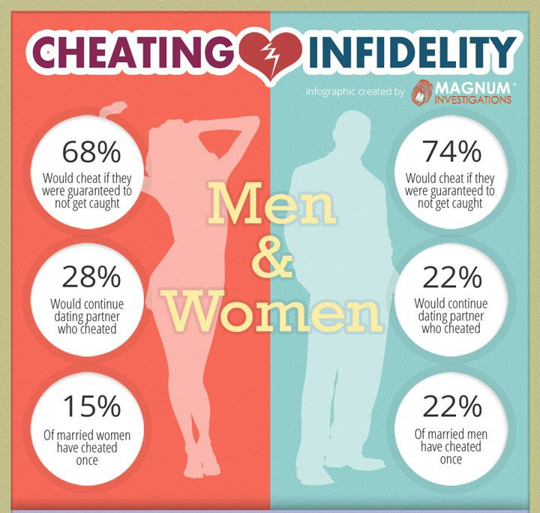
“During the COVID-19 pandemic, relationship therapists reported an increase in both emotional and physical affairs. Rather than one gender being significantly more unfaithful than the other, the extraordinary stress of lockdowns, isolation and uncertainty exposed existing relationship vulnerabilities. Many affairs appeared to stem less from opportunity alone and more from unmet emotional needs, loneliness and a search for connection.”
Several international studies found that the motivations and opportunities for infidelity changed, but there is no strong evidence that women, overall, became more likely than men to be unfaithful. Instead, the pandemic altered relationship dynamics in ways that affected both genders.
Some key findings include:
Emotional affairs appeared to increase. Isolation, loneliness and increased online communication led many people to seek emotional connection outside their primary relationship, sometimes through social media, messaging apps or reconnecting with former partners.
Women were more likely to report emotional dissatisfaction. Research suggested that women often sought emotional intimacy, validation or understanding when their relationship needs weren’t being met. This doesn’t necessarily mean they were more likely to engage in sexual affairs, but emotional affairs may have become more common.
Men continued to report slightly higher rates of sexual infidelity overall. Across decades of research, men have consistently reported somewhat higher rates of physical affairs, although the gap has narrowed considerably among younger generations.
Stress played a significant role. Financial pressures, working from home, homeschooling children and health concerns created unprecedented strain. Couples with poor communication or unresolved relationship issues were at greater risk of emotional disconnection, regardless of gender.
Technology increased opportunity. Dating apps, social media and encrypted messaging made it easier for both men and women to reconnect with former partners or begin online relationships while spending more time at home.
What relationship experts observed
Many therapists reported that the pandemic didn’t necessarily create infidelity—it magnified existing cracks in relationships. Couples who already struggled with communication, intimacy or conflict often found those issues intensified under lockdown conditions. Conversely, couples with strong emotional bonds often became even closer.
In my own practice, I noticed a higher number of women admitting to infidelity, both emotional and physical, more than before or after Covid.
A balanced perspective
Rather than asking, “Did women cheat more than men during COVID?” a more accurate question is:
“Did COVID expose unmet emotional needs and relationship vulnerabilities that increased the likelihood of infidelity for some people?”
The available evidence suggests the answer is yes. The pandemic highlighted the importance of emotional connection, communication and resilience in relationships, rather than revealing a significant shift in one gender becoming more unfaithful than the other.
References
American Association for Marriage and Family Therapy. Clinical observations on relationship stress and infidelity during the COVID-19 pandemic. Journal of Marital and Family Therapy – Wiley Online Library
Science Direct. Romantic relationships during COVID-19: A scoping review of early phase research – ScienceDirect