
Gut Instinct Verses Anxiety – When Infidelity Maybe Happening
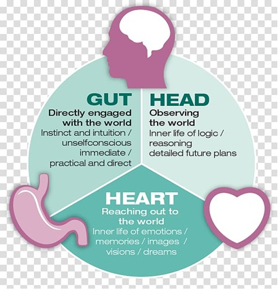
Is there a difference between anxiety and our gut instinct? Yes there most certainly is.
Both anxiety and intuition (“gut instinct”) can be felt in the body because they involve your nervous system. The key difference is often how they feel, what they do to your thinking, and whether they’re based on a real pattern or an imagined threat.
Think of it this way – Anxiety speaks loudly. Intuition whispers.
People often ask, “How do I know if it’s my anxiety talking or my intuition?”
Also, they usually feel different, even though both are experienced in the body.
Anxiety feels like – Anxiety is your body’s alarm system. It prepares you for danger—even when the danger may not exist.
You might notice:
- A racing heart
- Tightness in your chest
- Shallow breathing
- Sweaty palms
- Restlessness or an inability to sit still
- Racing thoughts that go around in circles
- Constant “what if…” questions
- An overwhelming urge to seek reassurance
Anxiety often feels urgent. It wants an answer right now. It tends to imagine worst-case scenarios and can make it difficult to think clearly.
Gut instinct feels like – it is quieter. It may present as:
- A subtle knot in your stomach
- A feeling that something simply doesn’t fit
- An unexplained sense of unease
- Calm clarity despite uncomfortable information
- A persistent feeling that remains over time rather than escalating
Unlike anxiety, gut instinct or intuition doesn’t usually bombard you with dozens of frightening possibilities. Instead, it quietly says:
“Pay attention.”
Many people describe intuition as a knowing rather than a fear.
What does the research say?
From a neuroscience perspective, intuition isn’t mystical. Your brain is constantly processing thousands of pieces of information outside your conscious awareness—facial expressions, tone of voice, body language, changes in routine, inconsistencies and past experiences.
Before your conscious mind recognises a pattern, your nervous system may already have noticed it. This is called implicit pattern recognition.
However, trauma complicates things
For people who have experienced trauma, childhood abuse or repeated betrayal, the nervous system may become highly sensitive to possible danger. This is called hypervigilance. Hypervigilance can make ordinary situations feel threatening, causing anxiety to masquerade as intuition.
For example:
Someone who has previously been cheated on may become intensely anxious whenever a partner comes home late, even if there is a perfectly reasonable explanation.
That doesn’t mean their feelings are “wrong.” It means their nervous system has learned to anticipate danger.
Healing involves learning to ask:
“Is this feeling coming from my past, or is it responding to what’s happening now?”
A simple way to tell the difference is to ask yourself these questions:
| Anxiety | Intuition |
| Feels urgent and panicked | Feels calm but persistent |
| Creates many frightening stories | Focuses on one concern |
| Wants immediate certainty | Encourages curiosity |
| Escalates with reassurance-seeking | Remains steady over time |
| Often comes from fear | Often comes from observation |
Neither is perfect.
Anxiety is trying to protect you.
Intuition is trying to guide you.
The goal isn’t to silence either one—it’s to understand what each is trying to communicate.
A final thought
Perhaps the most helpful question isn’t: “Is this anxiety or intuition?”
Instead, ask: “What is my body asking me to pay attention to?”
Whether the answer lies in healing old wounds, having a difficult conversation or simply gathering more information, your body is offering you valuable data—not necessarily the final verdict.
One point I often add when talking to clients is this: intuition isn’t always correct, and neither is anxiety. Both are sources of information rather than proof. The most reliable approach is to combine your bodily awareness with careful observation, open communication and evidence, rather than relying on any one feeling alone.
References
Bessel van der Kolk. (2014). The Body Keeps the Score.
Stephen Porges. (2011). The Polyvagal Theory.
Daniel Kahneman. (2011). Thinking, Fast and Slow.