
Tears – Emotional Wee – The answer to reducing our stress levels
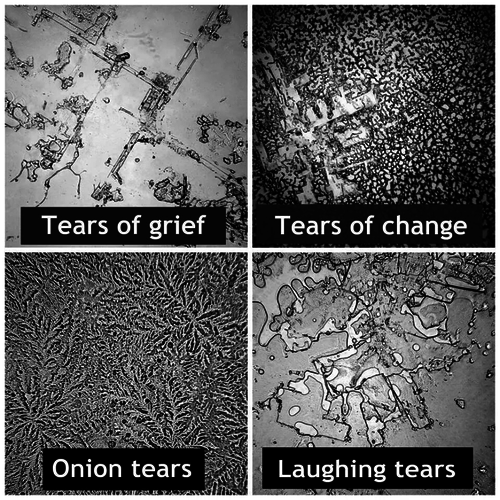
I facilitated a FDV support group recently & I mentioned the different types or tears & she was fascinated by what I said, so I decided to share my learning and experience about something that can be considered pussy la la or weak or soft.
A couple came & saw me because their relationship was in crisis. The wife vilified & emasculated the husband the entire time, at home and in the session, saying he sickened & repulsed her. The husband was humiliated & mortified by his wife’s comments & started slowly crying (leaking), which only heightened the wife’s anger and vilification of him. In the end, the wife stormed out leaving the husband behind, so I quietly talked to him about what was happening in his body both emotionally & psychically. I started by explaining the different types of tears & by the end he was feel so much better, had stopped crying all together & learnt that tears were a good thing (we women have know this for millennia), like a pressure valve in times of high stress.
When tears are taken out of context, they seem useless & may even appear to be a sign of weakness, however when we are overwhelmed & stressed the truth is tears become a safety valve stripping stress hormones such as cortisol & adrenaline out of our systems. If our body doesn’t shed this overabundance of hormones, we can become physically sick & our moods can be all over the place. I call this type of crying an emotional wee. It’s like having a full bladder, if it’s full you have to release it, so the same goes for the flooding of our system with hormones and emotions. Having a good cry also releases protein, manganese (which helps regulate our moods) and leucine enkephaline (which is a painkiller) leaving us feeling a sense of relief & more relaxed. Incidentally, people with chronic depression can have increased manganese levels.
The tears of a stress related emotional wee contain more stress hormones than other types of tears, having a higher concentration of sodium, causing the eyes to sting, irritating our eyes, also making us rub out eyes. This is why we end up with swollen & blood shot eyes after a good emotional or grief cry.
Grief tears are salty in taste due to the high concentration of sodium and stress hormones like prolactin. While all tears contain salt, those produced by sadness, grief, or intense emotions (often known as psychic tears) can sometimes be perceived as having a more intense, pure salt taste or even a slightly sour edge compared to other tear types.
Emotional tears contain various ingredients & cause the tears to taste slightly different. If you are sad tears taste very salty or bit sour because the acidity is higher, while happy tears taste slightly sweeter. Yet, if you are angry the tears are very salty, this is caused because when we are angry it upsets our nervous system, which produces more sodium & this coupled with the moisture contact decreasing causes a saltier tear.
If you want to separate your tears by taste, angry, sadness and grief = high salt, happy = slightly sweeter, so emotional tears taste saltier than physiological tears.